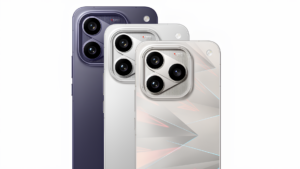
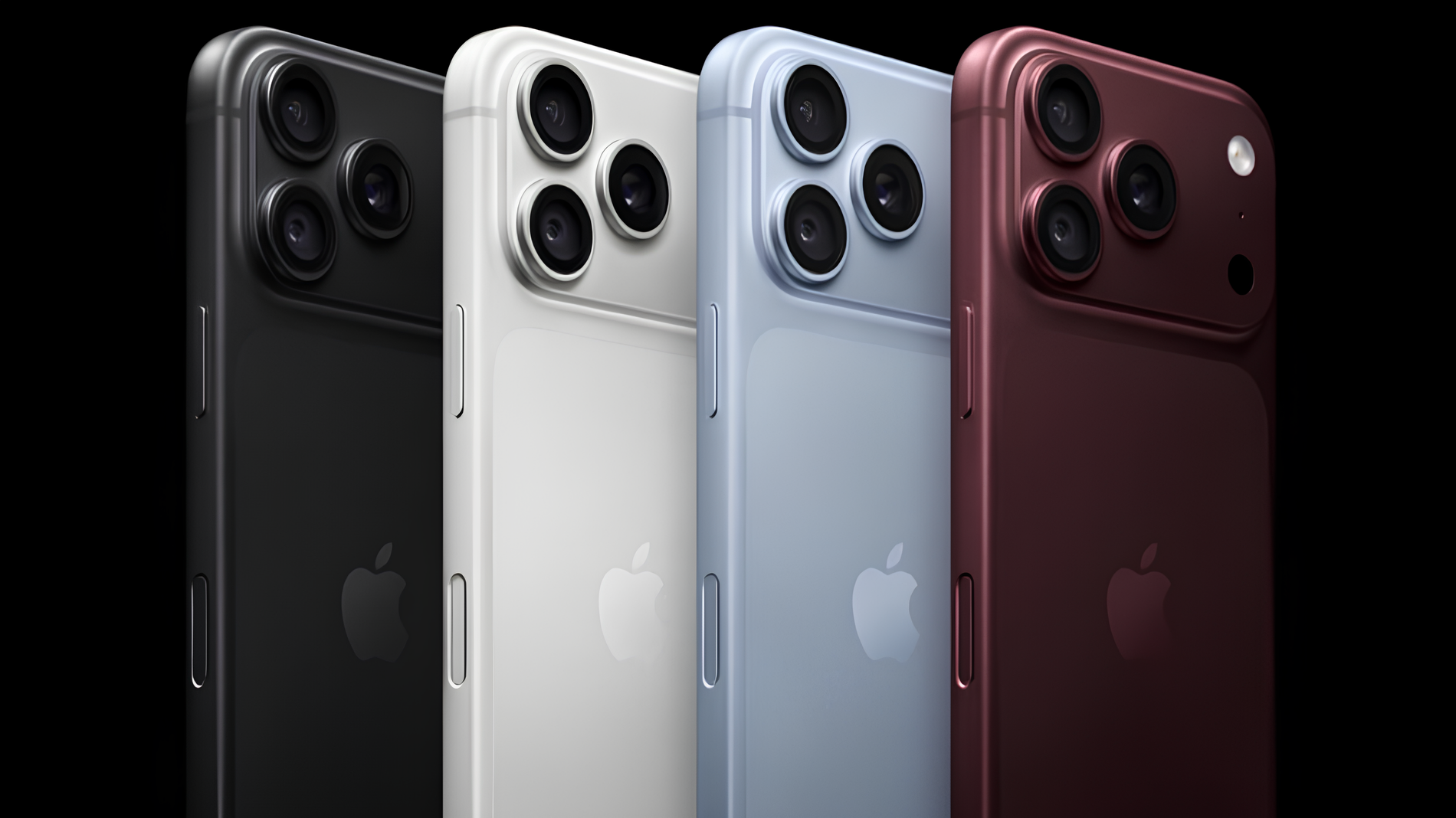
The Apple iPhone 18 Pro is making a major move in smartphone photography with a variable aperture on its 48MP Fusion Main camera. The camera is not limited to one fixed aperture but can be switched between four settings—ƒ/1.48, ƒ/1.8, ƒ/2.8, and ƒ/4.0—giving the user more control over light and depth of field. The system can also adjust automatically, depending on the scene, Apple says.
This change is significant because photography involves more than just technical specifications. A wider aperture is useful in dark areas and a narrower setting helps keep more of a scene in focus. For everyday use, that could make it easier to capture people, places, and small moments without having to spend too much time changing settings. This feature facilitates users to take family photos Indoor and outdoor, and enhances the user satisfaction.
You also get a 48MP Fusion Ultra Wide camera and a 48MP Fusion Telephoto camera. The telephoto lens provides a 100mm 4x optical zoom and an 8x optical-quality zoom at 200mm. The Ultra Wide camera captures 48MP photos and macro shots, offering users even more ways to frame a subject.
But perhaps the biggest story is how these features relate to real-world photography. The camera system includes professional controls for adjustments such as aperture, shutter speed, and white balance, along with a histogram for assessing exposure. This means the phone is capable of satisfying casual photographers and those who want a little more creative control.
Apple has added more pro-level video recording features, including ProRes RAW, Apple Log 2 and Genlock. These tools are for creators who want additional control in the production process.
Overall, the iPhone 18 Pro camera upgrade is not simply about bigger numbers. “It’s giving people more liberty to capture moments in a way that’s personal to them.” It might be a portrait of someone important, a family reunion, or an unexpected moment on the street—the idea is to make the camera feel less like a complicated piece of equipment and more like a natural extension of storytelling. That’s the human part that makes technology important because memories are about people, feelings, and moments.